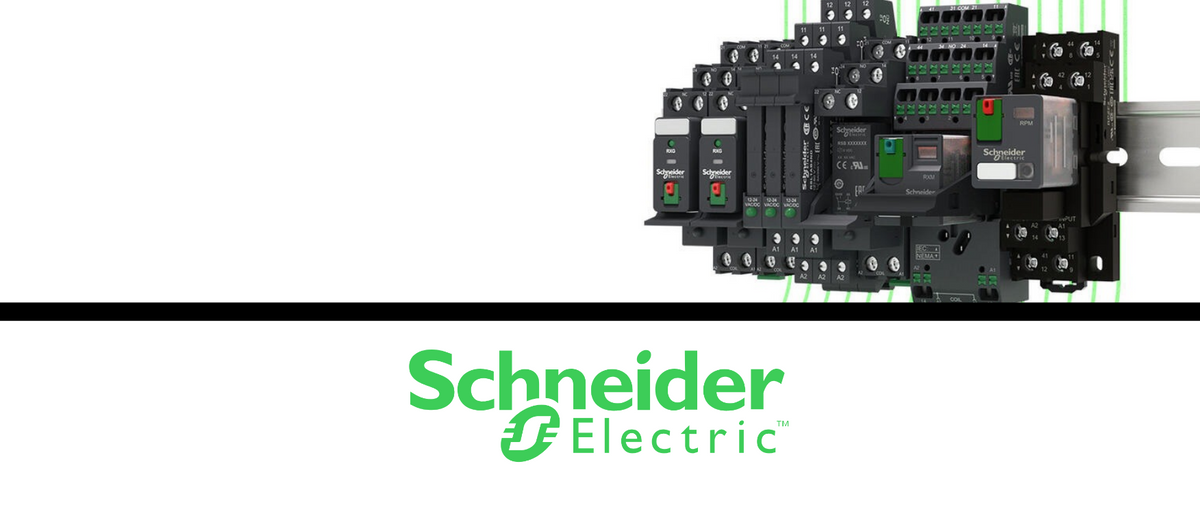
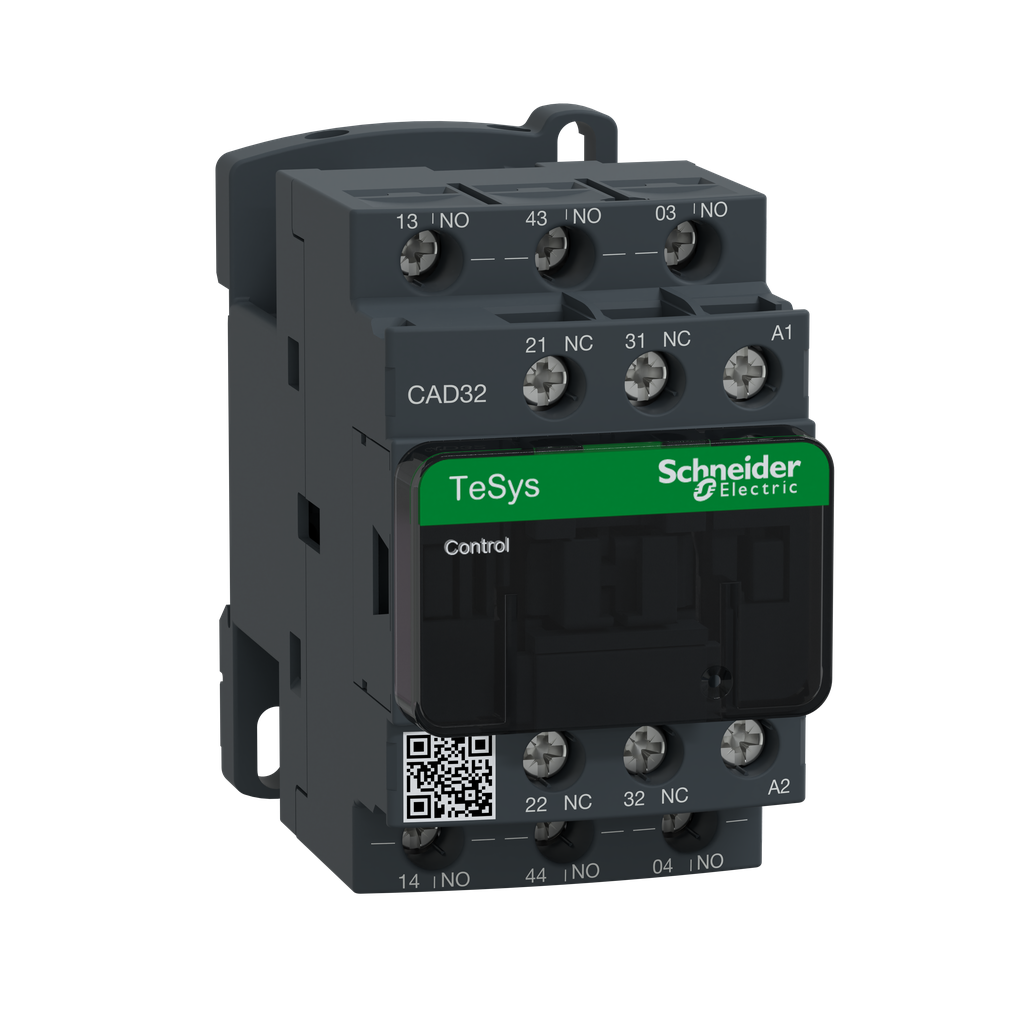
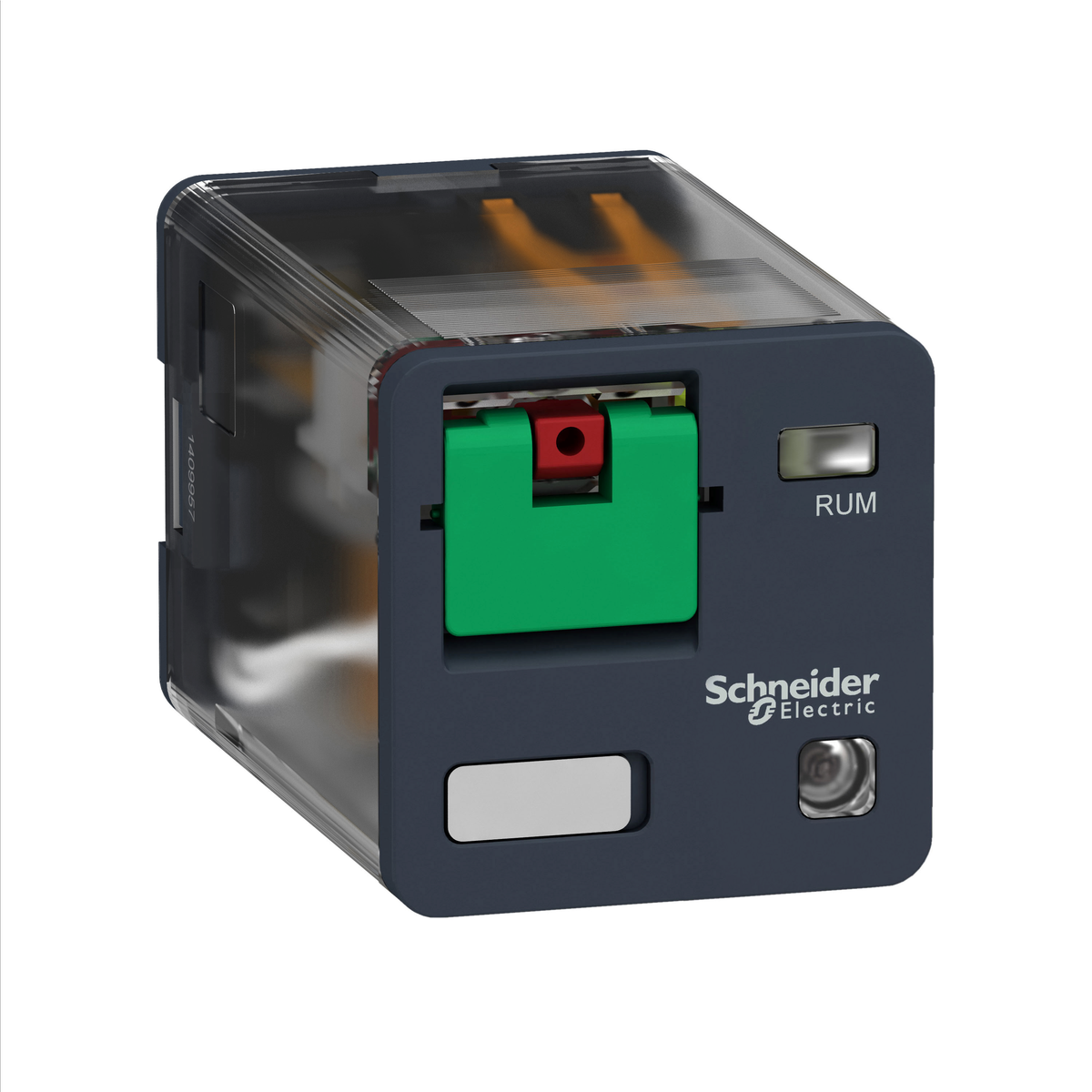
Reliable control starts with the right relay. Shop Schneider Electric relays and sockets at Guillevin for industrial automation, equipment control, timing, monitoring and motor protection, with local support across Canada.
From residential installations to commercial buildings and industrial facilities, the Schneider Electric Selector Tool helps you find the right products for every application, quickly, accurately, and confidently.
Relays help electrical control systems switch loads, manage operating sequences and respond to changing equipment conditions. From control panels and production machinery to HVAC equipment and motor starters, choosing the right relay supports dependable operation.
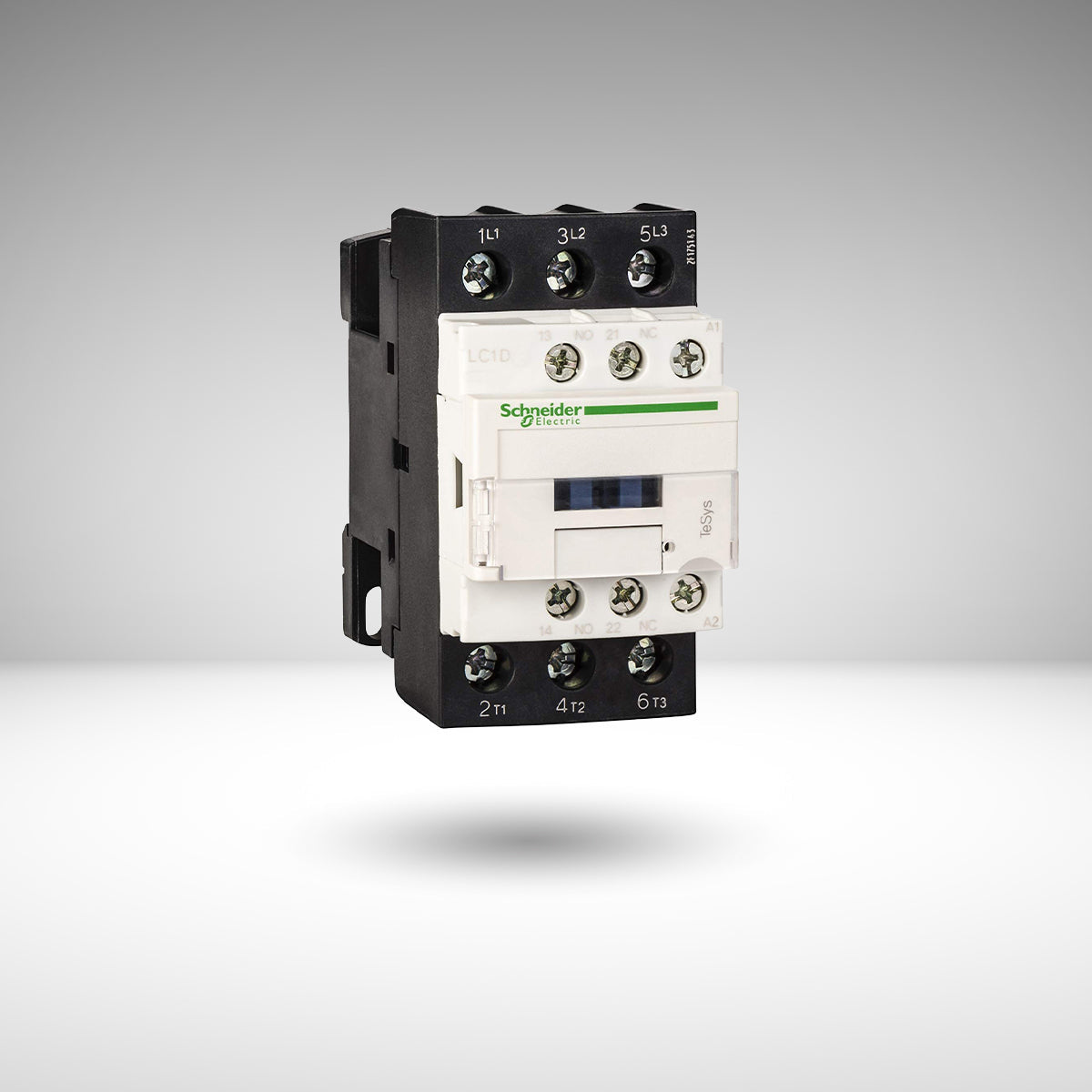
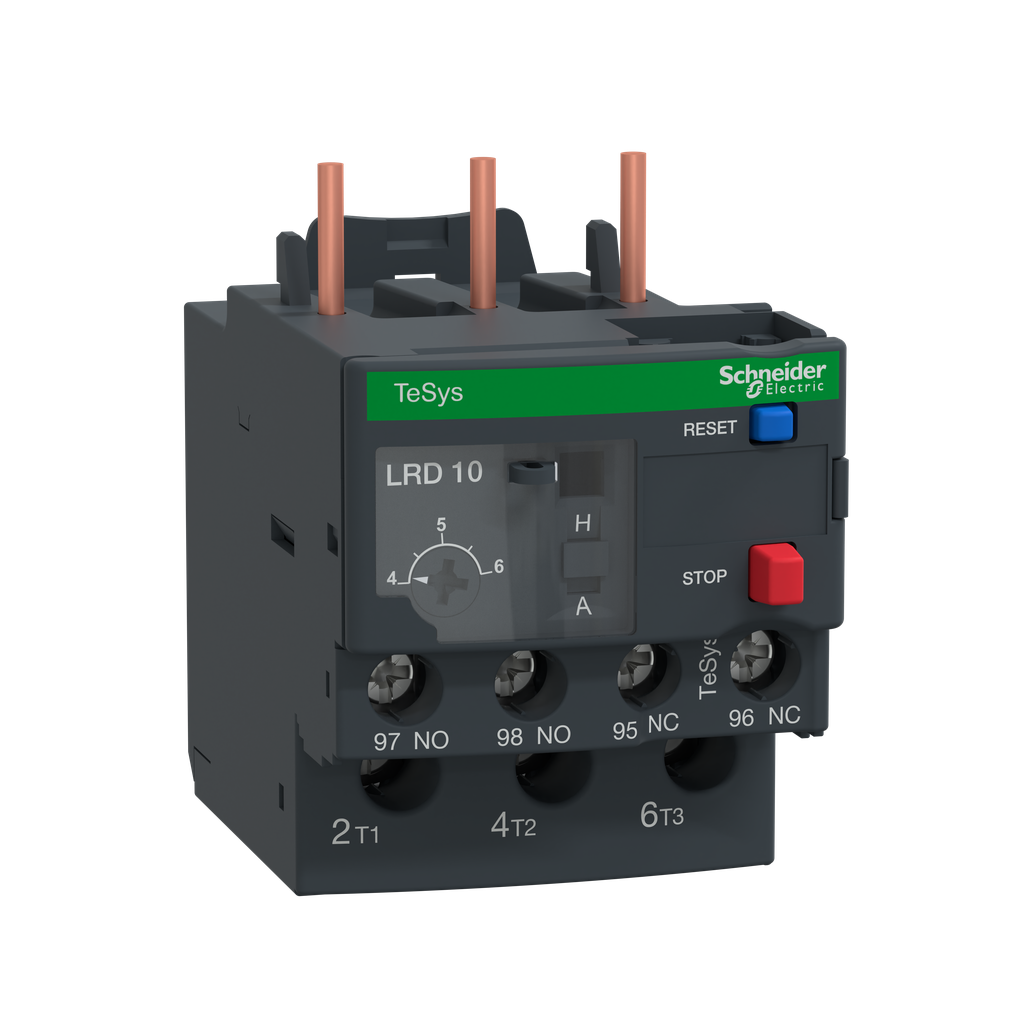
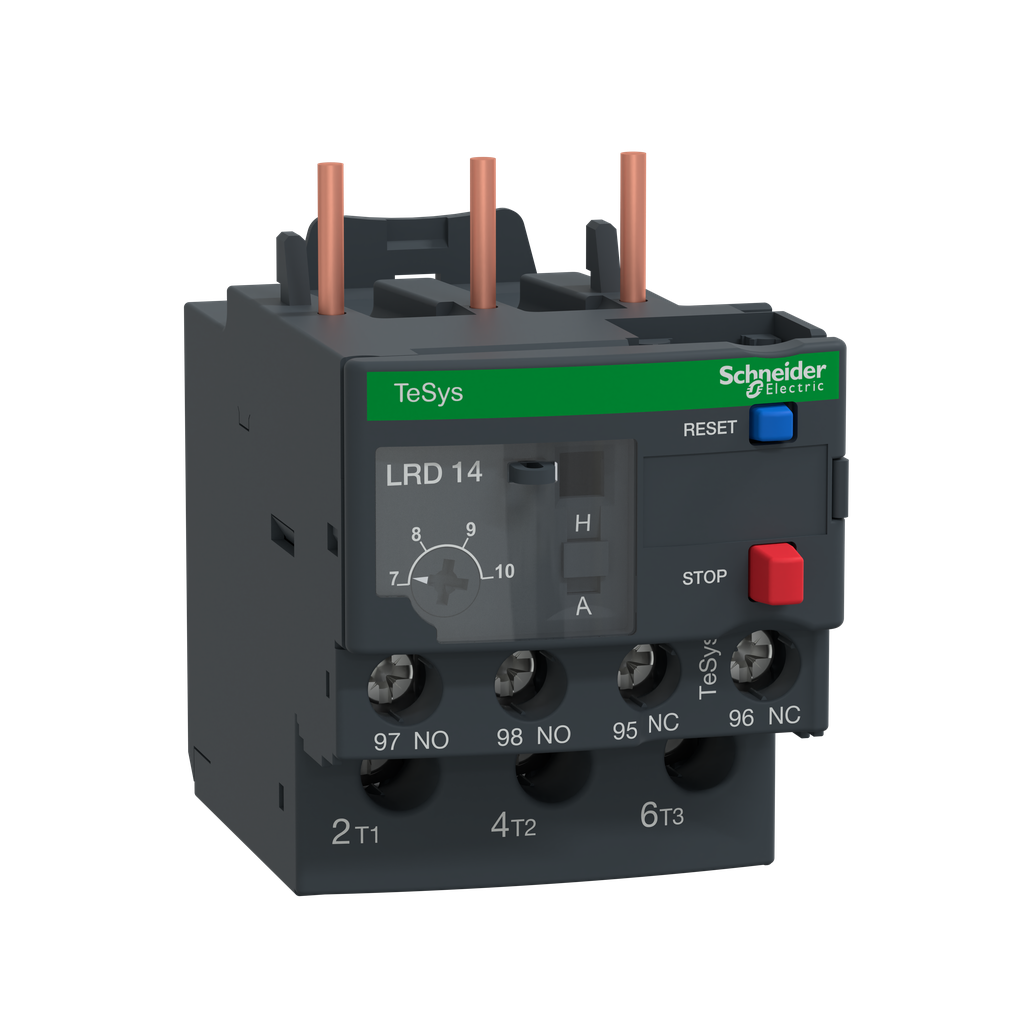
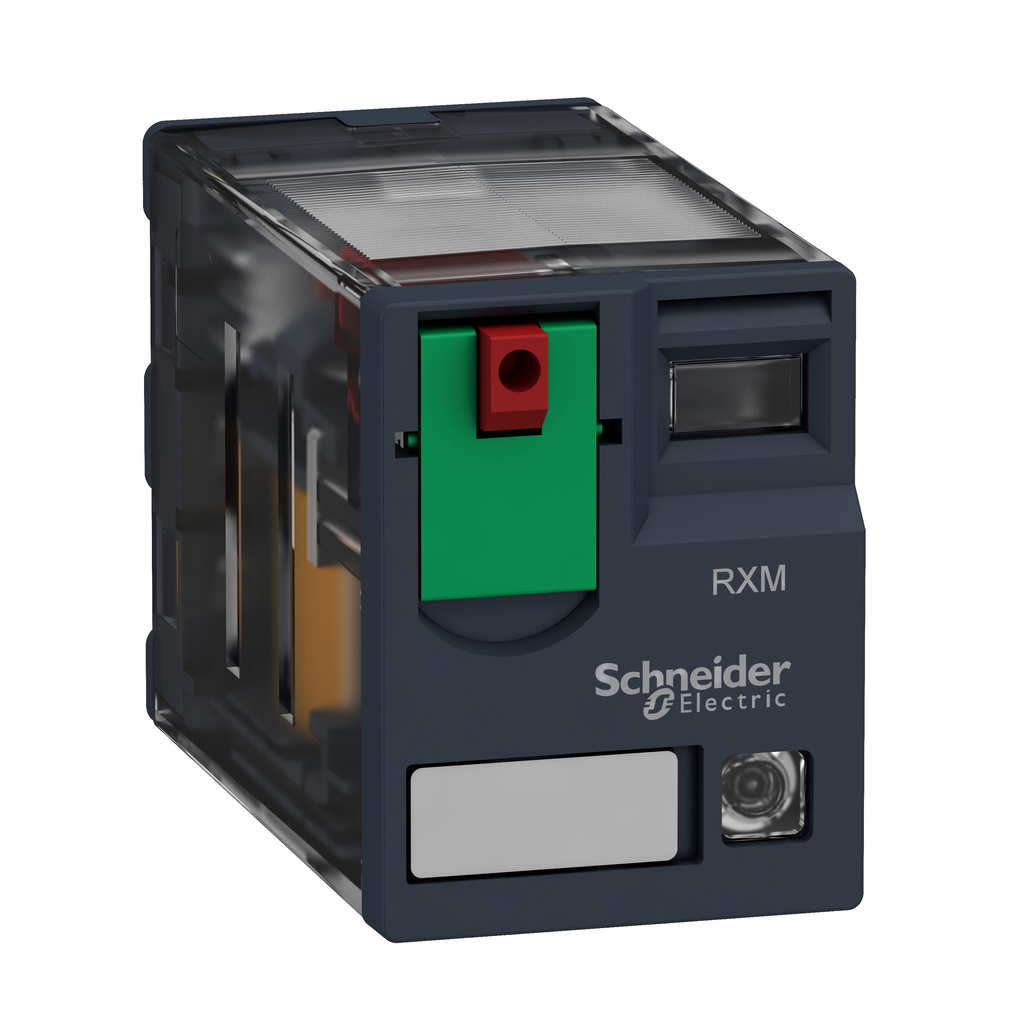
Schneider Electric offers solutions for a wide range of control applications. Harmony electromechanical relays support interface and switching functions, while Harmony solid-state relays provide quiet electronic switching. Timer relays manage delays and sequences, monitoring relays detect abnormal operating conditions, and TeSys overload relays help protect motors against overloads.
Guillevin brings these solutions closer to your project with online shopping and local support across Canada. Whether you are building a panel, maintaining equipment or replacing an existing relay, explore Schneider Electric products and connect with your local Guillevin team for product selection support.
Compare control voltage, contact configuration, load ratings and mounting requirements to find the right solution for your application.
Frequently Asked Questions
How do I choose the right Schneider Electric relay?
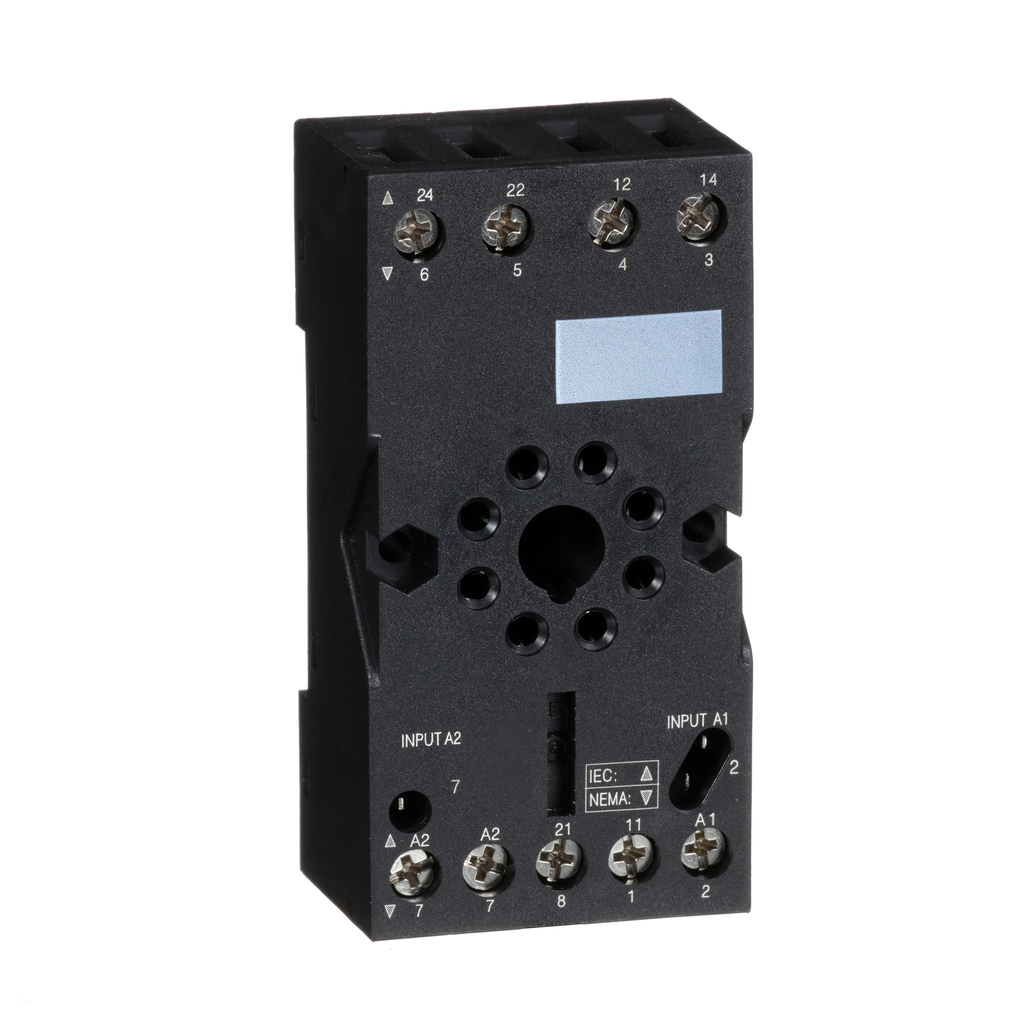
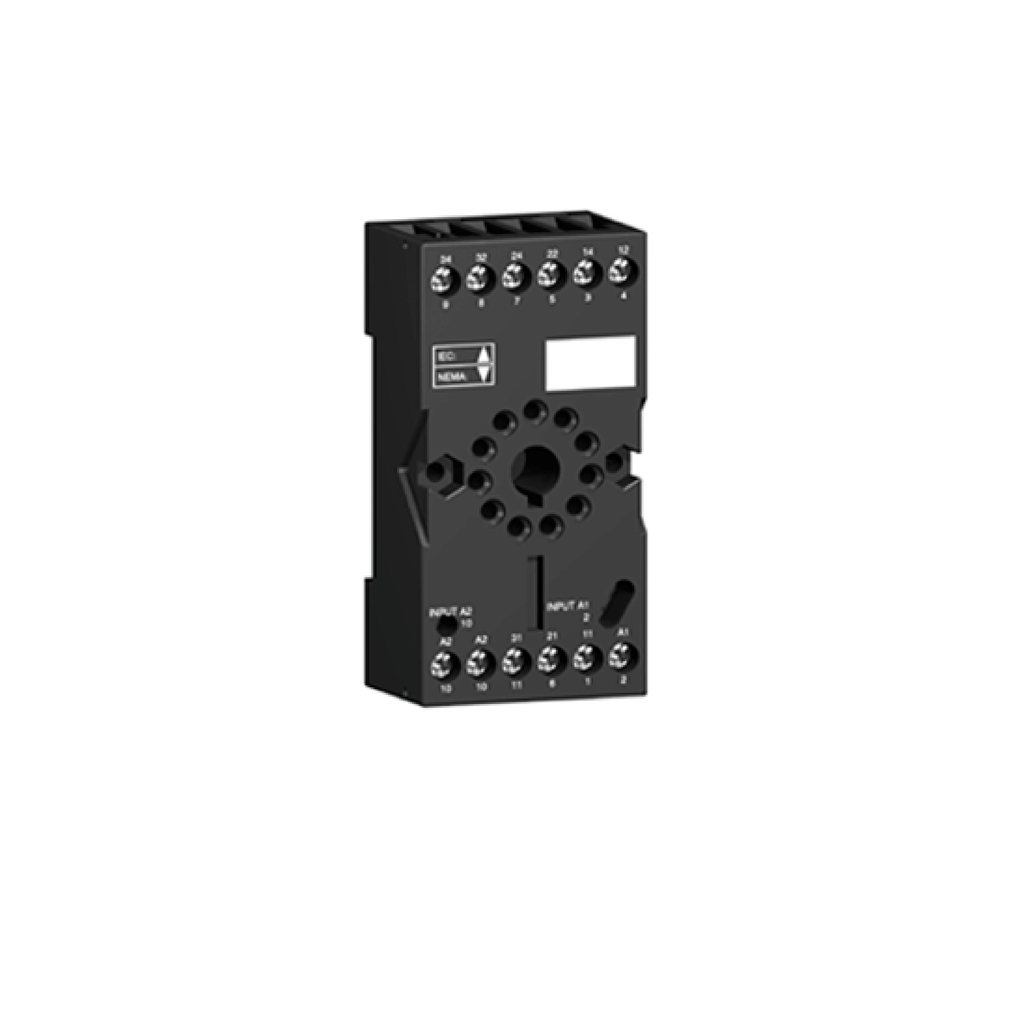
Start with the job the relay needs to perform: switching, timing, monitoring, motor overload protection or a safety function. Then check the control voltage, contact configuration, load ratings and mounting requirements. For plug-in relays, confirm the socket compatibility. Compare the exact Schneider Electric product references before ordering.
What is the difference between a solid-state relay and an electromechanical relay?
An electromechanical relay uses a coil to operate moving contacts. A solid-state relay uses electronic components to switch the load without moving contacts. Solid-state relays suit frequent, quiet switching, while electromechanical relays offer a range of contact arrangements. The right choice depends on the load, switching frequency and heat dissipation requirements.
What coil voltage do I need for my relay?
Choose a relay rated for the control supply that operates it, including whether that supply is AC or DC. For example, a relay rated for a 24 V DC coil requires the specified DC control supply. Coil voltage and switched-load voltage are separate ratings. For a relay-and-socket assembly, check the assembly’s input rating as well.
What do NO, NC, SPDT and DPDT mean on a relay?
NO means normally open; NC means normally closed. For a conventional non-latching relay, these describe the contacts when the coil is not energized. SPDT means single-pole, double-throw: one common contact switches between two connections. DPDT means double-pole, double-throw: two changeover contacts operate together. Match the contact arrangement to your circuit requirements.
How do I find a replacement for a Schneider Electric relay?
Start with the full part number printed on the existing relay. Check its function, coil or input voltage, contact arrangement, load ratings and socket compatibility against the replacement datasheet. A matching shape or pin count is not enough. If the reference has been discontinued, contact your local Guillevin branch for help identifying a suitable replacement.